

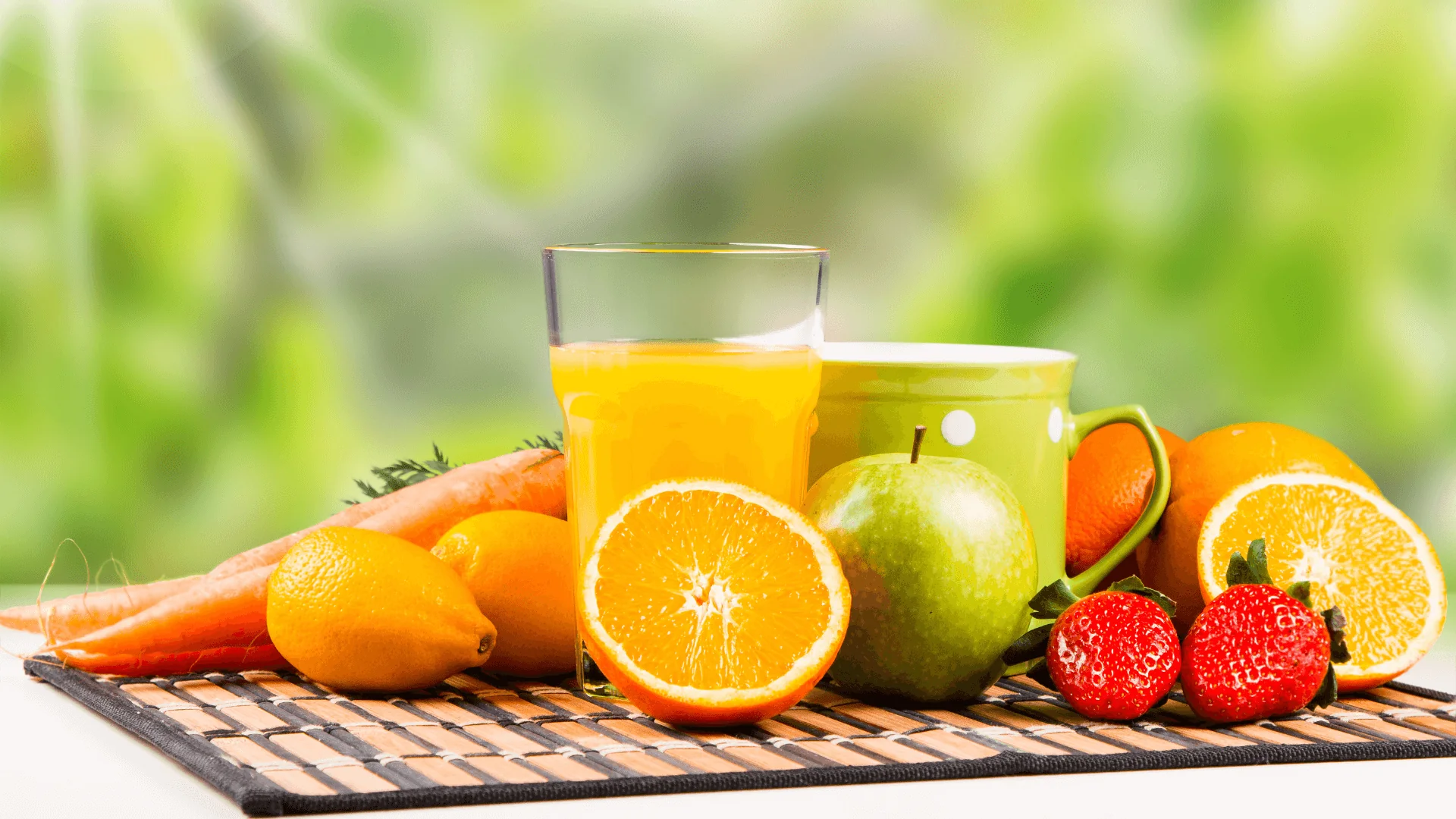
Picture this: It’s peak mango season in Lahore, the air thick with that sweet, sticky aroma from roadside carts, and you’re squeezing every last drop into a tall glass. One sip, and suddenly the heat doesn’t feel so brutal. That’s the magic of seasonal fresh juice—not some trendy wellness fad, but a simple, delicious way to drink what nature serves up at its absolute best. I’ve been making my own for years, ever since a dusty summer afternoon when a neighbor handed me a plastic cup of gajar juice that changed how I think about hydration forever. No fancy labels, no added sugars, just pure, vibrant goodness that actually makes you feel alive.
What Exactly Is Seasonal Fresh Juice?
Seasonal fresh juice is simply juice pressed or blended from fruits and vegetables harvested at their natural peak—right when they’re bursting with flavor, vitamins, and antioxidants. Unlike year-round supermarket options flown in from halfway around the world, these juices celebrate what’s growing locally right now. Think bright strawberries in spring or hearty beets in winter. The result? A drink that tastes better, costs less, and delivers more nutrients because the produce hasn’t spent weeks losing freshness in transit.
Why Seasonal Produce Beats Year-Round Options Every Time
When you pick ingredients at their seasonal prime, you’re getting produce that ripened naturally under the right sun and soil. That means higher levels of natural sugars, vitamins, and protective compounds. I learned this the hard way after buying off-season blueberries once—they tasted like watery disappointment compared to the ones I juiced in July. Seasonal choices also support local farmers, cut down on your carbon footprint, and usually save you money at the market. It’s a win for your body, your wallet, and the planet.
The Real Health Benefits That Go Beyond the Hype
Fresh seasonal juices flood your system with vitamins, minerals, and plant compounds without the heavy fiber load that whole fruits carry. Your body absorbs those nutrients faster, which can mean quicker energy, better hydration, and even a gentler digestive reset on busy days. Studies and experts note that juicing gives your system a break while still packing in antioxidants that fight everyday stress and inflammation. Of course, it’s no miracle cure—pair it with real meals—but the daily boost is real. I noticed clearer skin and steadier energy within weeks of making it a habit.
Spring Juices: Light, Green, and Energizing
Spring brings tender greens and the first sweet berries, perfect for juices that feel like a gentle wake-up call after winter. I always start my mornings with something bright and leafy to shake off that sluggish feeling. These recipes highlight crisp asparagus, spinach, and juicy strawberries that show up fresh at local markets.
Top Spring Ingredients for Your Juicer
Focus on strawberries, spinach, asparagus, peas, and early citrus like oranges. These are at their sweetest and most nutrient-dense right now, giving you a natural dose of vitamin C and folate without any blandness. Throw in a handful of mint for that extra refreshing kick I can’t resist.
Summer Juices: Cool, Hydrating, and Thirst-Quenching
When temperatures climb—like they do every June in Lahore—nothing beats a chilled watermelon or cucumber juice. Summer produce is loaded with water and electrolytes, making these drinks your natural air conditioner. I keep a pitcher in the fridge and watch my kids (and neighbors) line up for refills. It’s the season for melons, berries, peaches, and tomatoes that practically juice themselves.
Best Summer Picks and Why They Shine
Watermelon, cucumbers, mangoes, peaches, and tomatoes top the list because they’re juicy, antioxidant-rich, and perfectly ripe. Their high water content keeps you hydrated better than plain water on scorching days, while natural sugars provide clean energy without the crash.
Fall Juices: Cozy, Earthy, and Immune-Supporting
As leaves turn and air cools, fall delivers apples, pears, cranberries, and root veggies that create deeper, spiced juices. These feel comforting yet still fresh—think carrot-orange with a turmeric twist. I started adding cinnamon after one particularly chilly evening and never looked back. The flavors warm you from the inside while the nutrients keep your immune system strong heading into colder months.
Fall Favorites That Actually Taste Like Autumn
Apples, pears, beets, carrots, and cranberries bring natural sweetness and earthy depth. They’re packed with fiber-friendly compounds and vitamins that help your body transition seasons smoothly. Plus, they store well, so you can juice batches without waste.
Winter Juices: Bright, Citrusy, and Restorative
Winter is citrus and root heaven—kinnows, oranges, lemons, beets, and kale thrive when everything else feels dormant. These juices cut through the gray days with bright acidity and grounding earthiness. In Lahore’s foggy winters, I swear by a warm-spiced beet-orange blend that feels like a hug in a glass. Guavas and pomegranates from local trees add extra local flair too.
Winter Standouts for Maximum Flavor and Nutrition
Oranges, grapefruits, beets, kale, and ginger are your go-tos. They deliver vitamin C when you need it most and help combat dryness and fatigue. The roots add natural sweetness that balances any bitterness perfectly.
Seasonal Produce Quick-Reference Table
| Season | Top Fruits for Juice | Top Veggies for Juice | Why It Works Best |
|---|---|---|---|
| Spring | Strawberries, mangoes, kiwi | Spinach, asparagus, peas | Light, detoxifying, high folate |
| Summer | Watermelon, peaches, berries, mangoes | Cucumbers, tomatoes, corn | Ultra-hydrating, electrolyte-rich |
| Fall | Apples, pears, cranberries, grapes | Beets, carrots, kale | Immune boost, cozy flavors |
| Winter | Oranges, kinnow, lemons, guava | Beets, kale, ginger, sweet potato | Vitamin C surge, warming spices |
Fresh Juice vs. Bottled: A Side-by-Side Reality Check
Fresh seasonal juice wins on taste and nutrition every single time. Bottled versions often sit for weeks, losing enzymes and gaining preservatives. Here’s the honest breakdown:
Pros of Fresh Seasonal Juice
- Peak nutrients and flavor
- No added sugars or chemicals
- Supports local farms
- Customizable to your taste
Cons of Fresh Seasonal Juice
- Shorter shelf life (drink within 24 hours)
- Takes a few minutes to prepare
Pros of Bottled Juice
- Convenient grab-and-go
- Long shelf life
Cons of Bottled Juice
- Often pasteurized (loses live enzymes)
- Higher sugar, lower nutrients
- Imported produce means less freshness
I’ll take the extra five minutes at home over a flat, expensive bottle any day.
How to Make Seasonal Fresh Juice at Home Without the Hassle
Start simple: wash your produce well, cut into juicer-friendly pieces, and alternate soft and hard items to keep things flowing. No fancy equipment needed at first—just a basic centrifugal juicer or even a blender with a strainer. I began with a cheap manual press during Ramzan and upgraded only when I got hooked. The key is using what’s fresh that week so every batch tastes different and exciting.
Must-Have Tools and Gear for Beginner Juicers
A good juicer (cold-press if you can splurge) makes the biggest difference in yield and taste. Add a sharp knife, cutting board, and reusable glass bottles for storage. I keep a small notebook by the fridge to jot winning combos—nothing fancy, but it keeps me from repeating boring recipes.
Pro Tips I Wish I Knew When I Started
Always juice greens first or last to avoid clogging, and drink immediately for maximum enzymes. Add lemon to almost everything—it brightens flavor and prevents browning. And don’t toss the pulp! Stir some back in or freeze it for smoothies later. These little tricks turned my kitchen mess into a smooth 10-minute ritual.
5 Original Seasonal Juice Recipes You Can Make Today
Spring Strawberry Spinach Refresher
Juice 2 cups strawberries, 2 handfuls spinach, 1 cucumber, and half a lemon. The result is bright pink and tastes like spring in a glass—perfect for that post-winter energy dip.
Summer Mango Watermelon Cooler
Blend 2 cups watermelon chunks, 1 ripe mango, half a cucumber, and fresh mint. Chill for 30 minutes. It’s the ultimate Lahore summer savior—sweet, cooling, and zero guilt.
Fall Apple Beet Boost
Run 2 apples, 1 beet, 2 carrots, and a thumb of ginger through the juicer. The earthy sweetness feels like a warm scarf on a crisp morning.
Winter Kinnow Carrot Immunity Shot
Juice 3 kinnow oranges, 4 carrots, and 1-inch ginger. Add a pinch of turmeric. This one keeps me going through Lahore’s foggy days without a single sniffle.
Any-Season Ginger Lemon Zinger
Equal parts carrot, apple, ginger, and lemon. I drink this daily no matter the season—it’s my secret weapon for focus and digestion.
Common Juicing Mistakes That Waste Your Time and Money
Overloading on fruit alone spikes sugar and leaves you hungry. Skipping the wash step risks bacteria. And storing juice longer than a day kills the good stuff. I made every one of these errors early on, so learn from my stained countertops and wasted batches.
People Also Ask About Seasonal Fresh Juice
What are the benefits of seasonal fresh juices?
They deliver higher nutrients, better taste, and support local farming while helping you stay hydrated and energized without processed additives.
How do I make seasonal fresh juice at home?
Wash, chop, and juice whatever’s fresh at the market—start with simple combos like carrot-apple and build from there. Drink within hours for best results.
Which fruits and veggies are best for seasonal juicing?
Match the season: strawberries and spinach in spring, watermelon in summer, apples and beets in fall, citrus and roots in winter.
Is fresh juice healthier than store-bought?
Absolutely—fresh keeps enzymes and vitamins intact while avoiding added sugars and preservatives found in most bottles.
Can seasonal juices help with weight management?
Yes, when they replace sugary drinks and you keep portions reasonable. The natural fiber in pulp (if you add some back) helps you feel full longer.
FAQ: Your Burning Questions Answered
How often should I drink seasonal fresh juice?
Aim for one 8–12 oz glass daily as part of a balanced diet. More than that and you might miss out on the fiber from whole produce.
Do I need a special juicer for seasonal recipes?
No. A basic centrifugal model works fine for beginners. Cold-press just gives slightly higher yield and smoother taste.
What if my favorite fruit isn’t in season?
Swap it with what is—nature always provides a perfect alternative. That’s the beauty of going seasonal.
Is it safe to juice every day?
Yes, as long as you vary your ingredients and don’t use it as a meal replacement. Whole foods still matter.
Can kids enjoy seasonal fresh juices too?
Absolutely—just dilute with a bit of water for little ones and skip strong ginger until they’re older. My own kids beg for the mango version every summer.
Seasonal fresh juice isn’t about perfection or expensive gadgets. It’s about slowing down, tasting what’s ripe right now, and giving your body exactly what it craves in that moment. Whether you’re squeezing mangoes in a Lahore summer or beetroots on a winter afternoon, each glass connects you to the rhythm of the seasons. Start with one recipe this week. You’ll feel the difference before the glass is empty—and once you taste real freshness, there’s no going back to anything less. Grab your juicer, hit the market, and let the seasons do the rest. Your body will thank you with every single vibrant sip.