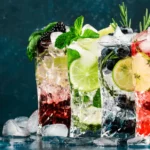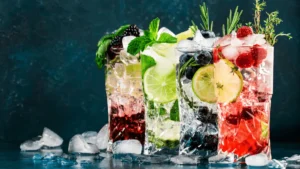


Picture this: it’s a warm summer evening, friends gathered on the patio, laughter filling the air, and everyone’s holding a glass that looks just as fancy as any cocktail bar creation. The only difference? No one wakes up with a headache the next day. That’s the magic of a mocktail. I’ve been mixing drinks for family gatherings and casual get-togethers for years, and nothing beats the joy of serving something sophisticated, refreshing, and completely alcohol-free. Mocktails let you enjoy the ritual of a well-crafted drink without the booze, and they’re exploding in popularity for good reason.
Understanding What a Mocktail Really Is
A mocktail is essentially a non-alcoholic cocktail—think of it as the sophisticated sibling of your favorite mixed drink, but minus the spirits. It combines fresh juices, herbs, syrups, sodas, and sometimes even non-alcoholic bitters or zero-proof alternatives to deliver layered flavors, beautiful presentation, and that same “cheers” moment.
The term blends “mock” (as in imitate) with “cocktail,” and it first popped up around 1916, right before Prohibition kicked things into high gear. Today, bars and home mixologists treat mocktails as their own art form, not just watered-down versions of the real thing.
The Simple Definition That Changes How You Drink
At its core, a mocktail mimics the balance, complexity, and visual appeal of a classic cocktail while staying 100% alcohol-free. You get the fizz, the tang, the sweetness, and the garnish—all without a drop of liquor. Whether you’re pregnant, sober-curious, driving later, or simply want to feel amazing the next morning, mocktails deliver the full experience.
I remember my first “aha” moment at a baby shower where the host served a sparkling berry concoction that had everyone raving. No one missed the alcohol; we were too busy savoring the flavors.
How Mocktails Differ from Traditional Cocktails
The biggest distinction is obvious—no alcohol—but the real difference lies in how you build depth. Cocktails rely on spirits for bite and warmth; mocktails use citrus, herbs, spices, and carbonation to create that same intrigue. They often require a bit more creativity to avoid tasting like plain juice.
Here’s a quick side-by-side comparison to make it crystal clear:
| Aspect | Cocktails | Mocktails |
|---|---|---|
| Key Ingredient | Spirits (vodka, rum, gin, etc.) | Fresh juices, syrups, herbs, sodas |
| Flavor Balance | Alcohol adds warmth and bite | Citrus and bitters provide complexity |
| Calories | Often higher from liquor | Can be lighter, but watch the sugar |
| After-Effects | Possible hangover | None—pure refreshment |
| Who Can Enjoy | Adults 21+ | Everyone, including kids and drivers |
Mocktails shine when you focus on quality ingredients and thoughtful layering. They prove you don’t need booze to throw a memorable toast.
A Brief History of Mocktails: From Temperance to Trendsetter
Mocktails have deeper roots than most people realize. Long before the word existed, ancient Persian sharbat—a sweet, fruit-and-herb drink mixed with water—served as an early predecessor. Fast-forward to the 1800s in America, and “temperance drinks” appeared in bartenders’ guides as alcohol-free options for those avoiding spirits.
The 1920s Prohibition era supercharged their popularity. Bars created fancy non-alcoholic versions of classics so patrons could still feel part of the scene. Classics like the Shirley Temple (named after the child star) and Roy Rogers emerged during this time and remain beloved today.
In recent years, the sober-curious movement, health awareness, and Gen Z’s preference for mindful drinking have turned mocktails mainstream. Sales of non-alcoholic beverages have skyrocketed, and top restaurants now dedicate entire sections of their menus to them. It feels like we’ve come full circle—celebrating flavor and connection without the downsides.
Why Mocktails Are Taking Over the Drink Scene
People choose mocktails for countless reasons, but the common thread is wanting to feel included and energized rather than sidelined or sluggish. Health-conscious folks love skipping the empty calories and next-day fog. Designated drivers finally get a drink that matches the vibe. Pregnant friends, folks on medication, or anyone in recovery can raise a glass without compromise.
There’s also an emotional side: mocktails signal thoughtfulness. When I host a dinner party, serving a beautiful mocktail tells guests, “I see you and want you to enjoy every moment.”
Pros of Mocktails:
- Zero hangover
- Inclusive for all ages and lifestyles
- Often lower in calories than cocktails
- Encourages creativity with fresh ingredients
- Supports better sleep and hydration
Cons (and how to fix them):
- Can taste too sweet if not balanced—counter with extra citrus or bitters
- Requires fresh ingredients for best results
- Some people still associate them with “kid drinks”—elevate with premium garnishes and glassware
The upside far outweighs any minor tweaks needed.
Essential Ingredients and Tools for Crafting Mocktails at Home
Building a solid mocktail starts with quality building blocks. Fresh is always best—squeeze your own citrus, muddle real herbs, and choose pure juices over sugary concentrates whenever possible.
Must-have pantry staples:
- Fresh fruits and juices (lime, lemon, pineapple, grapefruit, berries)
- Herbs and spices (mint, basil, rosemary, ginger, lavender)
- Sweeteners (simple syrup, honey, agave, grenadine)
- Sparkling elements (club soda, ginger beer, tonic water, kombucha)
- Bitters or zero-proof spirits for depth (non-alcoholic versions are widely available now)
Basic tools that make all the difference:
- Cocktail shaker for mixing and chilling
- Muddler for releasing herb oils and fruit juices
- Jigger or measuring spoons for precise ratios
- Strainer and bar spoon
- Nice glassware—highballs, coupes, or copper mugs elevate the experience instantly
You don’t need a professional setup. My first mocktails came together with a mason jar and a wooden spoon, and they still tasted incredible.
Step-by-Step Guide to Making Your First Mocktail
Start simple and build confidence. Fill your glass halfway with ice to keep things chilled. Add your base liquid (juice or syrup), then muddle or stir in herbs and citrus. Top with sparkling water or ginger beer for that signature fizz. Shake or stir gently, strain if needed, and finish with a gorgeous garnish. Taste and adjust—add more acid if it’s too sweet, more sweetener if it’s too tart.
The secret? Balance. A great mocktail dances on the tongue with sweet, sour, bitter, and effervescent notes all playing nicely together. Practice a few times and you’ll develop your own signature style.
The Best Mocktail Recipes to Try Right Now
These recipes have earned their spot as crowd favorites in my own kitchen and at parties I’ve hosted. Each one takes under 10 minutes and uses easy-to-find ingredients. I’ve included personal twists that make them even more memorable.
Classic Virgin Mojito: Fresh, Crisp, and Timeless
Nothing beats the bright minty kick of a mojito without the rum. This version feels elegant and refreshing, perfect for brunch or poolside afternoons.
Muddle 8-10 fresh mint leaves with half a lime (cut into wedges) and 2 tablespoons of simple syrup or honey in your shaker. Add ice, top with 6 ounces of club soda or lime sparkling water, and stir gently. Pour into a highball glass, garnish with a mint sprig and lime wheel, and serve immediately. The oils from the mint release slowly as you sip, creating layers of flavor that keep you coming back for more.
Shirley Temple: The Nostalgic Favorite with a Grown-Up Upgrade
This ruby-red classic brings back childhood memories but looks right at home on any adult table. Use tart cherry juice instead of plain grenadine for a modern twist that cuts the sweetness beautifully.
Pour 1 ounce of grenadine or tart cherry syrup into a highball glass filled with ice. Add 6 ounces of ginger ale or ginger beer and a splash of fresh orange juice. Stir once, drop in a maraschino cherry (or three), and finish with an orange slice. The bubbles dance around the deep red syrup, creating a sunset effect that’s as fun to watch as it is to drink.
Creamy Piña Colada Mocktail: Tropical Vacation in a Glass
Escape to the beach without leaving home. This blended version delivers creamy coconut and sweet pineapple with zero alcohol and all the vacation vibes.
In a blender, combine 4 ounces pineapple juice, 3 ounces cream of coconut, 1 cup ice, and a squeeze of fresh lime. Blend until smooth and frosty. Pour into a hurricane glass, garnish with a pineapple wedge, cherry, and paper umbrella if you’re feeling festive. The texture is thick enough to feel indulgent yet light enough for a second round.
Mock Moscow Mule: Spicy, Ginger-Forward, and Bold
Copper mugs optional but highly recommended. The ginger beer does all the heavy lifting here, delivering that signature kick without any vodka.
Fill a copper mug with ice. Add 1 ounce fresh lime juice and 6 ounces ginger beer. Stir, then top with a splash of sparkling water if you want extra fizz. Garnish with a lime wheel and candied ginger slice. The cold metal keeps it icy, and the ginger warms you from the inside in the best way.
Virgin Margarita: Zesty and Sophisticated
Salt rim and all. This one proves citrus can carry an entire drink when balanced right.
Rim a glass with salt or Tajín. In a shaker, combine 2 ounces fresh lime juice, 1 ounce fresh orange juice, 1 ounce agave syrup, and ice. Shake vigorously for 15 seconds, strain over fresh ice, and add a lime wheel. The orange juice adds a subtle sweetness that mimics triple sec without the alcohol.
Negroni Mocktail: Bitter, Herbal, and Complex
For those who love an aperitivo vibe. Use non-alcoholic bitters or a splash of pomegranate juice for that signature bite.
Stir together 1 ounce each of non-alcoholic aperitivo, non-alcoholic vermouth (or grape juice reduction), and orange bitters over ice. Strain into a rocks glass with a large ice cube. Garnish with an orange peel twist. The layered bitterness feels grown-up and pairs beautifully with olives or charcuterie.
Berry Kombucha Refresher: Lightly Tart and Probiotic
A modern favorite for health-minded sippers. The effervescence from kombucha adds natural sparkle.
In a glass with ice, pour 4 ounces raspberry or mixed berry kombucha, 2 ounces fresh grapefruit juice, and a sprig of fresh rosemary. Stir gently and garnish with berries and rosemary. The slight tang from the kombucha keeps it interesting sip after sip.
Spicy Pineapple Jalapeño Mocktail: Sweet Heat That Surprises
For the adventurous palate. A little heat makes this one unforgettable at taco night.
Muddle 2-3 jalapeño slices (seeds removed for less heat) with 1 ounce lime simple syrup in a shaker. Add 4 ounces pineapple juice and ice. Shake, strain into a glass with ginger beer, and garnish with a jalapeño wheel and pineapple chunk. The sweet-heat balance is addictive.
People Also Ask: Common Questions About Mocktails
Is a mocktail alcoholic?
No. By definition, mocktails contain zero alcohol. They use the same mixology techniques as cocktails but replace spirits with juices, syrups, and sparkling elements.
How do you make a mocktail taste like a real cocktail?
Focus on balance and texture. Use fresh citrus for acidity, herbs for aroma, bitters or zero-proof spirits for depth, and plenty of ice for chill and dilution. Presentation matters too—pretty glassware and garnishes make a huge difference.
Are mocktails healthier than cocktails?
Generally yes. They skip the calories and health impacts of alcohol while still delivering flavor. Watch added sugars in syrups, but fresh versions can be quite nutritious thanks to fruit and herbs.
Can kids drink mocktails?
Absolutely. Many mocktails are family-friendly and make great alternatives to sugary sodas. Just skip any non-alcoholic bitters if serving to very young children.
What are the best occasions for mocktails?
Brunches, baby showers, Dry January parties, work events, pool days, holiday gatherings—literally anywhere you want sophistication without the buzz.
FAQ: Your Mocktail Questions Answered
What is the difference between a mocktail and a virgin drink?
They’re often used interchangeably. “Virgin” usually refers to removing alcohol from a specific cocktail (like virgin margarita), while “mocktail” is the broader term for any crafted non-alcoholic mixed drink.
Do I need special non-alcoholic spirits to make great mocktails?
Not at all. Many of the best recipes rely on fresh produce and pantry staples. Zero-proof spirits are a nice upgrade for advanced versions, but they’re optional.
How long do mocktails last once mixed?
Best enjoyed fresh within 30 minutes. The sparkle fades and ice melts, diluting flavors. Make them to order for peak enjoyment.
Can I batch mocktails for a party?
Yes! Mix bases ahead (juices, syrups, muddled herbs strained) and add sparkling elements and ice right before serving. This keeps things fizzy and efficient.
Where can I find more mocktail inspiration?
Experiment with seasonal produce, explore zero-proof spirit brands, or check reputable sites like Food Network for tested recipes. The sky’s the limit once you master the basics.
Mocktails aren’t just a trend—they’re a lifestyle upgrade. They invite everyone to the table, spark creativity in the kitchen, and prove that great flavor doesn’t need alcohol to shine. Whether you’re hosting your first mocktail party or simply want a refreshing afternoon pick-me-up, these recipes and tips will set you up for success. Grab some ice, squeeze a lime, and start mixing. Your new favorite drink is just a few minutes away. Cheers—to flavor, fun, and feeling fantastic tomorrow.